

RBA announces cash rate call as inflation remains elevated
By Miranda Brownlee
29 September 2026 • 2 minute read
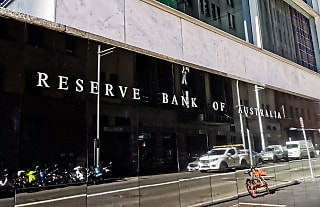
The Reserve Bank of Australia has unanimously decided to increase the cash rate target from 4.35 per cent up to 4.60 per cent, with the board concerned about the current inflation levels.
In conversation with Accounting Times, Accounting Home Loans director of sales Cullen Haynes said today’s cash rate hike was “not the outcome we had hoped for, but [was] anticipated”.
“Every 25-basis point (0.25 per cent) increase adds approximately $161 per month to repayments on a $1 million mortgage and can reduce borrowing capacity by around $30,000 to $40,000,” he said.
While inflation eased slightly in July, Haynes continued, it remains above the RBA’s target range.
“The path for future rate movements will continue to depend on how inflation develops, so there is still some uncertainty around what comes next,” he said.
AMP chief economist Shane Oliver said it may now take longer to return to the underlying inflation target than the RBA forecast in August.
“While cooling growth and the housing downturn should start to take pressure off inflation, it’s early days, and after more than five years of having inflation above target, the RBA risks further losing its credibility if it decides to extend its wait-and-see approach,” said Oliver.
CreditorWatch chief economist Ivan Colhoun said that the household spending figures this month, which remained unchanged, were below economist expectations.
"Delving into the data, this seems mostly to reflect a correction from prior months' stronger readings. These in turn likely reflected spending being drawn forward by EOFY discounting as some households remain under financial pressure, though August data also saw the unwind of strong recreation and culture spending on (US) NFL tickets," Colhoun said.
"Others will continue to benefit from tailwinds associated with the AI investment boom, creating a very mixed picture for the economy," he added.
University of Sydney professor of macroeconomics James Morley said the effects of the oil shock on the economy look more persistent than the best-case scenario when it first hit.
“Labour market conditions are weakening but the RBA [sees] the economy as being close enough to a level of potential such that real economy won’t be playing much role in pulling inflation down,” said Morley.
“Also, there is a general sense that the neutral rate of interest is higher than it was a few years ago due to global conditions, including in terms of fiscal profligacy.”
Morley predicted that the central bank is also likely to raise rates at the next meeting unless future data eases its concerns about inflation.
"There have been further disruptions to global oil supply and recent data suggest that growth and inflation in Australia have been higher than expected. Higher fuel prices have partially been passed through to prices of other goods and services. This inflation impulse is in addition to the effect of capacity pressures in the economy," said the RBA monetary policy board.
Want to see more stories from trusted news sources?
Make Accounting Times a preferred news source on Google.
Click here to add Accounting Times as a preferred news source.