
 iscover
RBA hikes rates again amid growing inflation risk
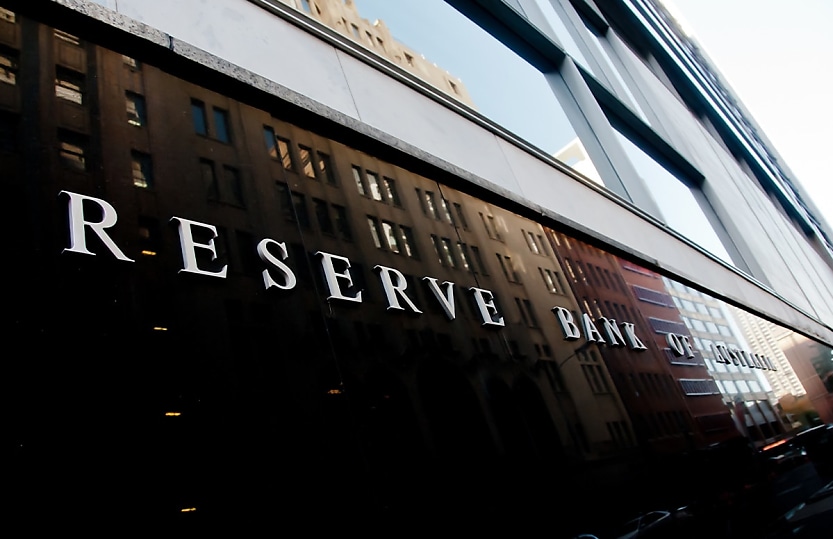
Interest rates will increase again this month following a previous rate rise in February.
The Reserve Bank of Australia has decided to increase the cash rate target by 25 basis points to 4.10 per cent, following its meeting today.
In its statement on the decision, the RBA board said while inflation had fallen substantially since its peak in 2022, it had picked up materially in the second half of 2025.
"Information since the February meeting suggests that some of the increase in inflation reflects greater capacity pressures," the board said.
"In addition, the conflict in the Middle East has resulted in sharply higher fuel prices, which, if sustained, will add to inflation. Short-term measures of inflation expectations have already risen."
Commonwealth Bank head of Australian economics Belinda Allen said that, with inflation still above target and the economy running above trend, the central bank's decision to lift rates today was unsurprising.
The major bank also expects the RBA to increase rates again in May.
"The outlook has shifted following a rapid change in the global environment. The escalation of conflict in the Middle East has increased uncertainty and raised the risk of higher energy prices, which could add to inflation pressures. At the same time, the conflict poses risks to global growth," Allen said.
Allen said that inflation remained the RBA's central concern.
“While global uncertainty has increased, the domestic economy is still proving resilient. Inflation remains too high and the labour market is tight, which keeps pressure on the Reserve Bank to act,” she said.
Mala Raghavan from the University of Tasmania similarly agreed that geopolitical tensions and the resulting disruption to global oil supplies were placing upward pressure on energy prices, increasing both actual inflation and inflation expectations.
"At the same time, Australia's labour market remains notably tight, with unemployment at low levels and wage growth persisting, while consumer spending has only softened marginally despite higher borrowing costs," she said.
"These dynamics suggest that inflationary pressures may prove more persistent than previously anticipated."
James Morley from the University of Sydney said if the inflation data from the March quarter came in higher than forecast, the RBA would likely raise rates in May as well.
"If the oil price spike is followed by a global recession, the RBA would obviously start cutting rates," said Morley.
"If the inflation forecasts get significantly higher without as much weakening of the real economy, then the RBA is likely to raise rates further in future meetings later this year."
About the author

