
 iscover
Economists predict cash rate rise to 4.35%
Inflation is forecast to remain persistent in the coming months as rising petrol prices continue to move through the economy.
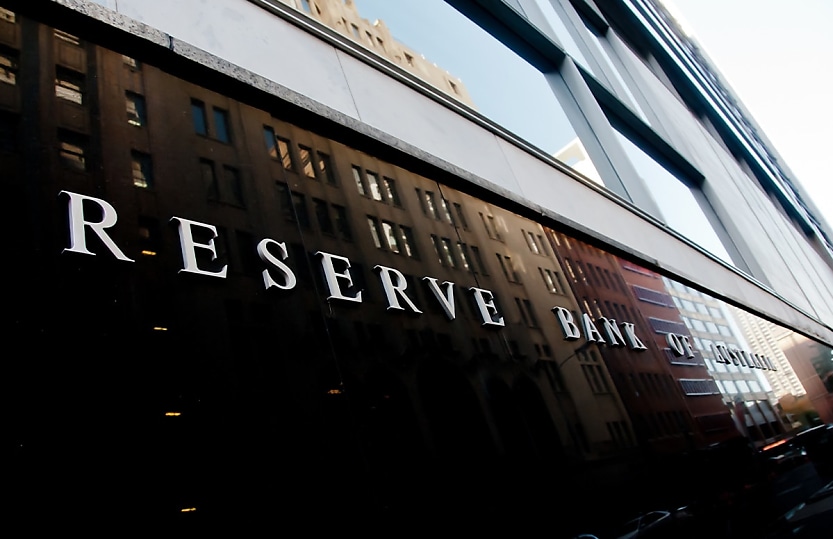
With the RBA releasing its cash rate decision today, Westpac and CommBank have weighed in on their predictions for the next parts of the year.
“We retain our base case of another two hikes beyond May, in June and August, taking the cash rate to a peak of 4.85 per cent,” said Luci Ellis, chief economist at Westpac.
“Beyond May, we expect the RBA to remain on hold as activity slows under the weight of three rate hikes and higher energy prices,” added Belinda Allen, head of Australian economics at CommBank.
“The initial consequences of the Middle East conflict for Australian consumer inflation were seen,” Westpac said.
Ellis noted the pass-through of high petrol prices, which affect the prices of takeaway food, home-building and vehicle repair costs, as well as downstream insurance inflation, and services related to audio-visual, computing and telecommunications. However, appliances and other household goods faced softer monthly prices.
This was despite a 32.8 per cent decrease in petrol prices in March, largely driven by the cut to the fuel excise, which will expire in a few months.
“Diesel prices – and thus freight costs – remain very elevated,” Ellis said.
In the first quarter of 2026, headline inflation rose to 1.4 per cent (4.1 per cent year on year), in light of a 33 per cent surge in fuel prices in March, a large portion of which was protected by the fuel excise cut; however, Westpac noted that fuel prices remain materially above the pre-conflict level.
“March is expected to show a big jump led by a sharp rise in fuel prices and a pull-forward in fuel purchases,” it said.
In addition, according to the Westpac DataX Card Tracker, the Monthly Household Spending Indicator from the Australian Bureau of Statistics (ABS) is likely to be up around 2 per cent for the month, which would mark the strongest monthly increase since July 2022, taking the annual growth to just above 6.5 per cent year on year.
The indicator rose 0.3 per cent month-on-month in February, which matched January’s outcome, in line with its average monthly pace over the past two years
“The 1st-quarter CPI report demonstrated that inflation was higher than the Monetary Policy Board was comfortable with prior to the Middle East conflict. Pass-through of higher fuel costs to other prices throughout the economy is clearly starting,” the bank added.
“Given the higher starting point and faster pass-through, communications from RBA officials have not pushed back on the market's pricing in rate hikes over recent weeks, unlike other central banks,” it said.
The bank predicts unemployment to reach 4.4 per cent in the second quarter, 4.6 per cent in the third quarter, and 4.9 per cent in the final quarter.
“A 14-point plan from Iran to end the conflict received a lukewarm response from President Trump. The proposal includes setting a one-month deadline on talks to agree on terms to reopen the Strait of Hormuz and end fighting in Iran and Lebanon, followed by one month of discussions on Iran’s nuclear program,” CommBank said in its latest economic insights.
“We anticipate another split vote [on the cash rate decision] with the softer March trimmed mean CPI print and recent falls in sentiment surveys strengthening the case to leave the cash rate unchanged and wait to see how the data evolves,” Allen said.
“Those arguing for a hike, by contrast, will focus on inflation being persistently too high, a labour market that remains too tight and rising cost pass-through from the war in Iran.”
Want to see more stories from trusted news sources?
Make Accounting Times a preferred news source on Google.
Click here to add Accounting Times as a preferred news source.
About the author

