

Report finds politicisation, miscommunication hold back tax reform: McKinnon

By Carlos Tse
28 April 2026 • 1 minute read
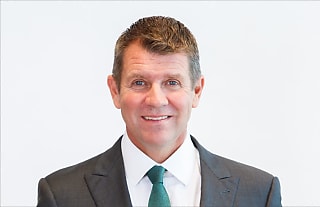
Authors of a new tax reform report commissioned by McKinnon, former NSW premier Mike Baird (pictured), and former QLD premier Anna Bligh have found that analysis, expert input, and recognition of the need for tax reform have been stalled, diluted, or failed to endure.
The report noted the sustained reviews of the tax system that had occurred through commissioning inquiries, discussion papers, and reform ambitions to address structural problems, with successive governments all facing the same restraints.
Released on 8 April, McKinnon’s report, 25 Years of False Starts: A New Approach to Tax Reform, sheds light on how meaningful reform also depends on the conditions reform is debated and delivered, with recommendations on how a more structured, collaborative, and sustained approach could improve the likelihood of success.
The report proposes a national tax reform roadmap to help deliver collaborative legitimacy, better debate, and reform durability.
“Because taxes are highly visible and immediately felt, even well-designed reforms can be weaponised by political opponents,” the report read.
“Long-term gains, such as improved productivity, sustainability, or fairness, are difficult to communicate against immediate and tangible costs.”
“In this environment, political incentives can encourage governments and oppositions alike to respond to proposals first as political contests rather than policy questions.”
McKinnon said that the federal structure further complicates reform.
“Responsibilities are split across jurisdictions with different incentives and electoral cycles, while economic uncertainty reinforces a focus on short-term stabilisation over long-term structural change,” it said.
As a result, there has been incremental adjustment rather than comprehensive reform, which has not kept pace with evolving economic and societal pressures, it added.
In addition, the report noted that societal changes, such as an ageing population, rising demand for services, the climate transition, and geopolitical uncertainty, place a strain on the fiscal system.
The report recommends broadened legitimacy for tax changes, sustained and informed communication, coordinated across jurisdictions, and clear timelines and structured processes.
“We need to build a better reform environment. One in which proposals are given a fair hearing, research is considered on its own merits, the public is meaningfully engaged, and all sides of parliament can contribute constructively to long-term solutions in the national interest. We believe this report is the beginning of that journey,” it read.
Want to see more stories from trusted news sources?
Make Accounting Times a preferred news source on Google.
Click here to add Accounting Times as a preferred news source.
Carlos Tse
AUTHOR
Carlos Tse is a graduate journalist writing for Accountants Daily, HR Leader, Lawyers Weekly.
KNOW MORE